
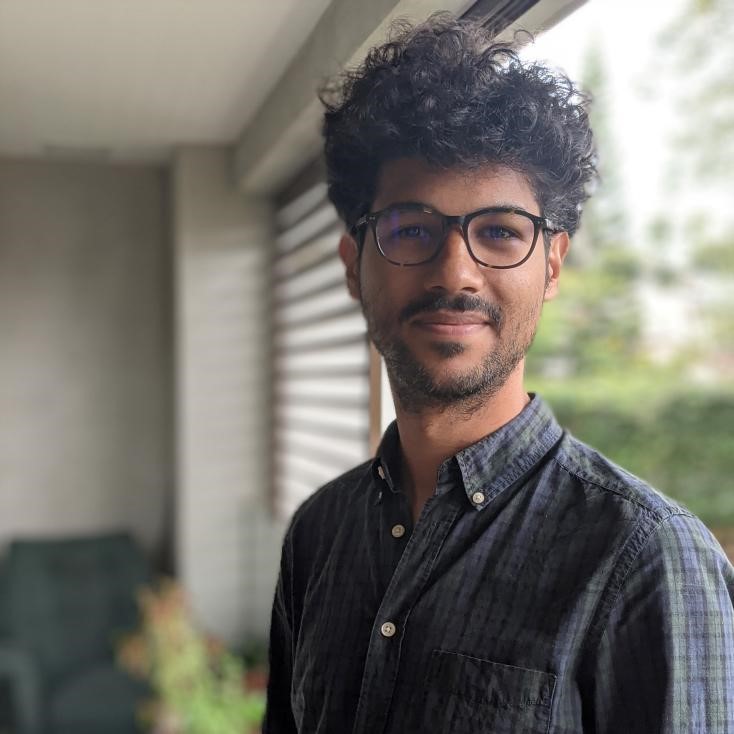
Diego Arguedas Ortiz is a journalist, editor and media trainer specialised in climate change.
As a trainer, he has taught over 3,500 participants in climate journalism programmes. He served as the Associate Director at the Oxford Climate Journalism Network (2022-2025), a programme at Oxford University’s Reuters Institute for the Study of Journalism. He has also led training programmes at the Global Investigative Journalism Network (2026) and the University of Costa Rica (2016-2021), among others. His journalism has appeared at BBC Future, MIT Tech Review and The Observer and includes coverage of four UN Climate Conferences, the Panama Papers international collaboration and being the founding editor (2015-2019) of Ojo al Clima, Central America’s first climate news outlet.
Summer School of Investigative Reporting 2026 Sessions
Fossil fuels, food systems and pledges: a primer to climate investigations
This session will introduce participants to three of the most important topics of climate investigative journalism: the fossil fuel industry, the climate impact of food systems and how to cover national and government pledges. It will cover dozens of resources that will cover how to get access to relevant data and how to process it, where to find investigation angles and case studies that showcase those approaches.
Looking under the hood: where is the money going?
In 2021, Shell made a bold statement: it was going to move towards net zero by 2050 and would start increasing its investment in Renewables and Energy Solutions. The full-scale invasion of Ukraine and a changed political landscape have shifted the company’s priorities, and it has dropped or changed targets. This short hands-on session will build on an existing 2023 investigation by Global Witness and apply lessons to Shell’s latest practices.
Participants are encouraged to review these short stories from 2021 and 2024 ahead of the session.
How to cover heat: Ideas, principles and examples of good investigations
Every summer and every year, temperature records are broken globally. Heat is becoming a major issue for business, politics and sports, and getting more and more attention from audiences and newsrooms. This session will take an investigative angle on heat, focusing on two core principles: the role of reporters unveiling hidden impacts, and our role in keeping governments and companies accountable for the safety of citizens. The session will feature case studies from health and climate reporters investigating heat.
About audiences: what psychology and media research tell us about them
Climate journalism (and reporters doing climate investigations) can learn from psychologists and behavioural scientists about how our audiences will react to information and ideas, particularly those in climate science and policy that can challenge views. This session will start with an overview of some key concepts of climate behavioural science and audience research, and then will collectively build an approach to make climate investigations more approachable for audiences.